Beyond Crumbles: Discovering Authentic Dutch Apple Pie History
Few desserts evoke such universal comfort and nostalgic warmth as apple pie. From bustling American diners to quaint European bakeries, variations of this beloved classic grace tables worldwide. Yet, within this sweet landscape, one particular name often sparks confusion and passionate debate: dutch apple pie. What truly defines this iconic dessert? Is it the crumb-topped delight found in countless American cookbooks, or something entirely different, steeped in European tradition? Join us on a culinary journey to uncover the authentic history and distinct characteristics of this fascinating pastry, venturing far beyond mere crumbles to explore its true heritage.
The Great Dutch Apple Pie Identity Crisis: Crumb vs. Lattice
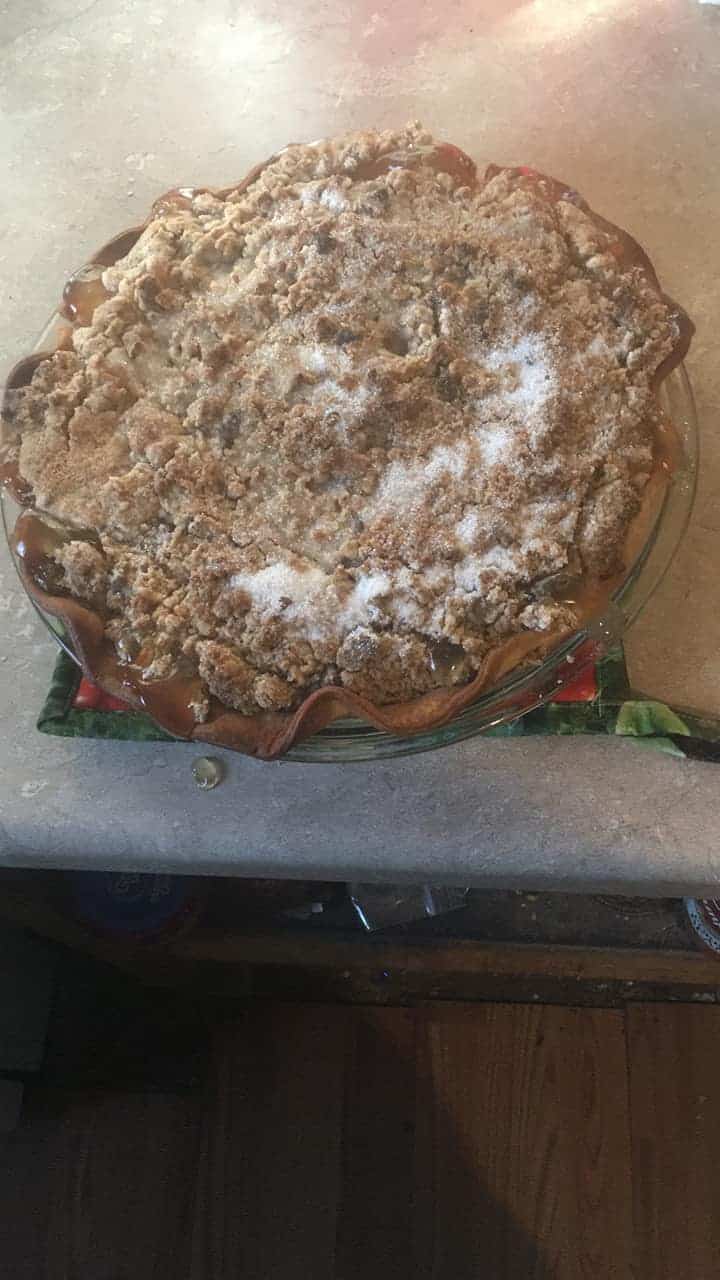
The term "dutch apple pie" often conjures two very distinct images, creating a delicious dilemma for dessert enthusiasts. In the United States, particularly in the northeastern regions, the common understanding of a dutch apple pie is typically a deep-dish apple pie crowned with a generous, streusel-like crumb topping. This version is a staple of fall harvests and family gatherings, often featuring a buttery, flaky bottom crust, a luscious apple filling, and a sweet, textured crumble that adds both crunch and richness. It's a delightful blend of apple pie and apple crisp, offering the best of both worlds.
Interestingly, this crumb-topped variation has historical roots in the region, sometimes referred to as Pennsylvania Dutch Apple Pie, reflecting the influence of German immigrants (often mistakenly called "Dutch" due to a phonetic similarity to "Deutsch"). Records of apple pies with crumb toppings date back as far as the early 1500s in European recipe books, eventually migrating with settlers to the American colonies. This version celebrates an abundance of apples and a love for buttery, textural contrasts, making it an undeniable crowd-pleaser. For a deeper dive into these stylistic differences, explore our detailed comparison: Dutch Apple Pie Explained: Crumb Top vs. Traditional Lattice.
However, when you ask a Dutch cook what constitutes a *truly* authentic dutch apple pie, the answer paints a different picture altogether. The traditional Dutch version, known as appeltaart, is not characterized by a crumb topping at all. Instead, it features a sweet, buttery, almost cookie-like dough that forms both the base and an intricate lattice pattern across the top. This results in a pie that looks more akin to a cake, with a glossy, often golden-brown finish achieved by an egg wash. The dough itself is a significant departure from the typically flaky American pie crust, offering a denser, richer, and more tender texture that beautifully complements the spiced apple filling.
Unpacking the Authentic Dutch Apple Pie Experience
To truly appreciate the authentic Dutch appeltaart is to understand its unique components and the delightful experience they create. This is not just an apple pie; it's a culinary masterpiece that demands attention to detail and celebrates quality ingredients.
- The Distinctive Dough: The foundation of a true dutch apple pie is its unique dough. Unlike the light, often neutral-flavored flaky pastry of American pies, Dutch appeltaart dough is sweeter, richer in butter, and has a more substantial, cookie-like consistency. It's robust enough to create a sturdy base and an elegant lattice top that holds its shape beautifully after baking. This dough contributes significantly to the pie's overall "cake-like" appearance and mouthfeel.
- The Iconic Lattice Top: The defining visual characteristic of authentic dutch apple pie is its meticulously woven lattice. This isn't merely decorative; the dough strips caramelize beautifully, often enhanced by a shiny egg wash, creating a contrasting texture and visual appeal against the soft apple filling. It allows glimpses of the spiced apples beneath while sealing in moisture and flavor.
- The Hearty Filling: The filling typically comprises a generous amount of apples, often a mix of tart and sweet varieties to achieve a balanced flavor profile. Classic spices like cinnamon, and sometimes a hint of nutmeg or cloves, infuse the apples with warmth. The filling is usually prepared to ensure the apples are tender but still have a slight bite, avoiding a mushy texture. Traditional Dutch recipes sometimes incorporate raisins or even a touch of lemon zest to add further complexity.
- Serving Mit Schlag: According to many who cherish the authentic experience, the only proper way to enjoy dutch apple pie is mit schlag – with a truly inordinate amount of freshly whipped cream. Not just a dainty dollop, but a generous pillow of barely sweetened, cloud-like cream that melts into the warm, buttery pie, creating an unparalleled symphony of textures and temperatures. This pairing elevates the pie from a simple dessert to an unforgettable indulgence.
The end result is a pie that is fragrant, buttery, rustic in its wholesome ingredients yet fancy in its presentation. It presents a textural journey from the firm, sweet crust to the soft, spiced apples and the luscious cream.
Crafting Your Own Slice of Dutch History: Tips for Success
Embarking on the creation of a dutch apple pie, whether the authentic lattice version or the beloved American crumb-top, is a rewarding endeavor. Here are some essential tips to guide you toward pie perfection:
- Apple Selection is Paramount: For the most complex and satisfying flavor, use a combination of apples. Tart varieties like Granny Smith or Braeburn provide a necessary counterpoint to sweeter options such as Honeycrisp or Fuji. A blend ensures the filling isn't overly sweet and offers textural variety.
- The Dough is Your Canvas: If you're tackling the authentic lattice, understand that this sweet dough is different from standard American pie crusts. It's more forgiving to handle but requires attention to chilling to maintain its structure. For a crumb-top, ensure your bottom crust is perfectly flaky and blind-baked to prevent a soggy bottom. Our The Ultimate Dutch Apple Pie Recipe: Flaky Crust & Rich Crumble offers detailed guidance on achieving an exceptional crust.
- Pre-cook the Filling (Optional but Recommended): For both styles, lightly cooking your apple filling before assembling the pie can be a game-changer. This step allows some moisture to evaporate, preventing a runny pie, and also ensures the apples are perfectly tender after baking, avoiding any raw crunchiness. It also helps to "settle" the filling, preventing a large gap between the topping and the apples.
- Don't Be Shy with the Topping: Whether it's a thick, buttery streusel or a beautifully woven lattice, generosity is key. A hearty topping ensures every bite is a balanced mix of flavors and textures. For the lattice, practice your weaving technique for a stunning presentation; for the crumb, ensure the mixture is well-distributed and plentiful.
- Baking to Perfection: Bake your pie until the crust (or lattice) is deeply golden brown and the filling is bubbling. This indicates that the apples are cooked through and the sugars have caramelized. A pie shield can prevent the edges from over-browning.
- Serve Warm with Abundant Cream: While delicious at room temperature, a warm slice of dutch apple pie, especially when paired with a generous dollop (or mountain!) of barely sweetened whipped cream, is truly transcendent. The contrast of warm pie and cool cream is simply divine.
The American Interpretation: A Love Affair with Crumbles
While the authentic Dutch appeltaart holds a special place, the American "dutch apple pie" with its crumb topping has rightfully earned its widespread adoration. Its appeal lies in its straightforward elegance and satisfying textures. The robust crumble provides a delightful crunch that contrasts with the soft, spiced apples and the tender, buttery bottom crust. It's often seen as a less intimidating option for home bakers, as it foregoes the intricate lattice work, making it a perfect dessert for celebrating fall's bounty or simply enjoying a cozy evening. Its rich, buttery flavor profile and appealing texture have cemented its status as a beloved classic in its own right.
Conclusion
The journey to understand dutch apple pie is one of fascinating cultural intersections and delicious distinctions. From the crumb-topped sensation that many in America cherish to the authentic, cake-like lattice masterpiece of the Netherlands, both versions offer unique pleasures. While they share a name, their execution and historical context reveal a beautiful diversity within the world of apple desserts. Whether you gravitate towards the comforting crunch of a streusel or the elegant, buttery embrace of a true Dutch lattice, one thing is certain: a perfectly made dutch apple pie, in any of its celebrated forms, promises an experience that transcends mere crumbles, inviting you to savor a rich piece of culinary history.
