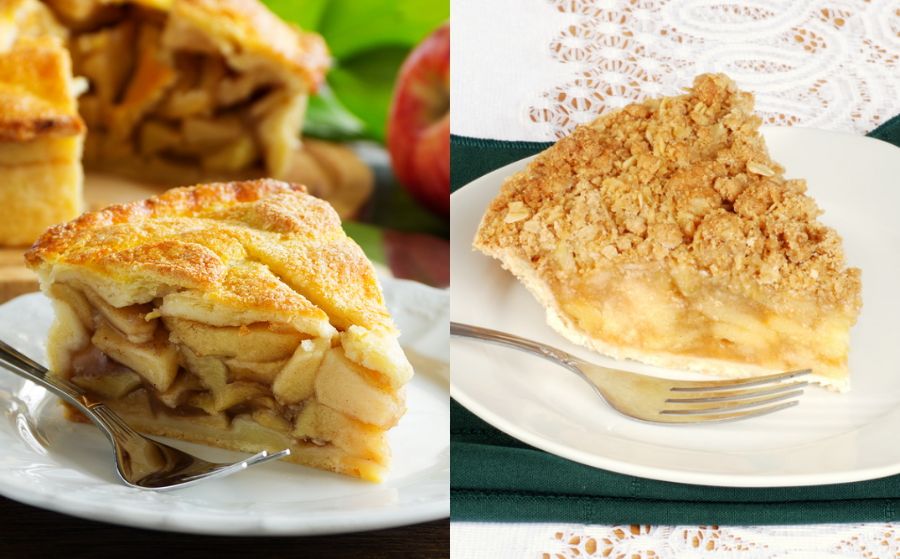
Dutch Apple Pie Explained: Crumb Top vs. Traditional Lattice
Few desserts evoke the warmth and comfort of home quite like a classic apple pie. Its sweet, spiced aroma filling the kitchen is an invitation to pure culinary bliss. Yet, when we delve into the world of "Dutch apple pie," a fascinating duality emerges, often leading to a delicious debate: is it defined by a generous, buttery crumb topping, or an elegant, golden-brown lattice? The truth, as we'll discover, is that both interpretations hold a special place, with one rooted deeply in American home cooking traditions and the other reflecting the authentic Dutch heritage. Let's unravel the delicious mystery and explore what makes each style a cherished masterpiece.
The American "Dutch" Apple Pie: A Symphony of Crumbles
In North America, particularly in regions influenced by early Dutch settlers (such as the Pennsylvania Dutch), the term "Dutch apple pie" almost universally refers to a deep-dish apple pie crowned with a luscious streusel or crumb topping. This rendition is a delightful hybrid, often described as apple pie meeting apple crisp – truly the best of both worlds. It’s no secret why this version has captured countless hearts; it boasts a perfect balance of textures and flavors that define autumnal comfort.
Imagine a robust, flaky bottom crust, generously filled with tender, sweetened apples – often a thoughtful blend of varieties for complex flavor and texture. But the real star, the element that truly sets this "Dutch" pie apart, is its opulent crumb topping. Made from a simple yet magical mixture of butter, sugar, and flour, sometimes enriched with cinnamon or oats, this streusel bakes into a golden, crunchy layer that perfectly complements the soft, creamy apple filling below. The beauty lies in its unpretentious charm and the satisfying contrast it offers with every bite.
Historical records suggest apple pies with crumble toppings have been enjoyed since at least the early 1500s. As European culinary traditions migrated to the New World, particularly the northeastern United States, this particular style became a beloved staple. The ease of a streusel topping, compared to rolling out and weaving a second full crust, also contributed to its widespread adoption in home kitchens, cementing its status as a quintessential fall dessert. To truly master this crumb-topped delight, remember that generosity with the streusel is key – no skimpy crumbs allowed! A robust, sky-high crumb layer is what elevates this pie from good to utterly unforgettable. For an indulgent take on this beloved classic, consider exploring
The Ultimate Dutch Apple Pie Recipe: Flaky Crust & Rich Crumble.
Unveiling the Authentic Dutch Apple Pie: The Elegant Lattice
Stepping across the Atlantic, the traditional *Hollandse appeltaart* (Dutch apple pie) presents a distinctly different, yet equally enchanting, picture. If you were to ask a baker in the Netherlands, they would describe a pie that looks less like its American crumb-topped cousin and more akin to a rustic, beautiful cake. This authentic version is characterized by a sweet, buttery, and often slightly thicker dough that forms both the bottom crust and an intricate lattice woven over the spiced apple filling.
The dough used for a traditional Dutch appeltaart is crucial. It’s typically richer and more cookie-like than a standard American pie crust, resulting in a tender, flavorful base and an elegant, often shiny lattice top. This glossy finish, achieved with a simple egg wash, adds to its sophisticated appeal, making the pie look as though it belongs on a special occasion table. The buttery richness of the dough contributes significantly to the overall flavor profile, creating a truly melt-in-your-mouth experience that distinguishes it from other apple pies.
The filling is, of course, a star in its own right, usually featuring a generous amount of apples, often seasoned with cinnamon and sometimes lemon zest, all nestled within that sweet dough. The end result is a pie that is fragrant, buttery, and has a dense, almost cake-like quality. According to those in the know, the only proper way to enjoy this glorious creation is *mit schlag* – with an inordinate amount of freshly whipped, barely sweetened cream. The light, airy cream provides a perfect counterpoint to the rich, fruit-laden pie. This traditional method highlights a more artisanal approach to pie-making, where the beauty of the hand-woven lattice speaks volumes about the care and tradition baked into every slice. For a deeper dive into its origins,
Beyond Crumbles: Discovering Authentic Dutch Apple Pie History offers fascinating insights.
Crumb vs. Lattice: A Comparative Look and Culinary Nuances
Understanding the "Dutch apple pie" means appreciating these two distinct interpretations. While both celebrate the humble apple, they do so with unique personalities:
* **Appearance:** The American crumb-top offers a rustic, inviting heap of golden streusel. The authentic Dutch lattice pie, conversely, boasts a more refined, cake-like presentation with its woven, often glistening, dough top.
* **Crust/Topping:** One relies on the textural crunch and sweetness of a streusel, a delightful "pie meets crisp" sensation. The other emphasizes the rich, buttery, sweet dough that encases the filling and forms the lattice, contributing significantly to the pie's overall flavor and chew.
* **Flavor Profile:** The crumb-top version often prioritizes the contrast between crisp topping and soft filling. The traditional lattice pie, with its richer dough, offers a more integrated flavor where the crust itself is a prominent, buttery component, almost blurring the lines between pie and cake.
* **Preparation:** Generally, a crumb topping is quicker and less demanding to prepare than weaving an intricate lattice, which requires a bit more dexterity and precision with dough handling.
Despite these differences, there are essential similarities. Both pies necessitate a wonderfully spiced apple filling. Many expert bakers recommend using a combination of apples – like tart Granny Smiths for structure and brightness, alongside sweeter varieties like Honeycrisp or Fuji for balance and depth. Additionally, pre-cooking the apple filling slightly is a pro tip for both styles; it helps to ensure the apples are perfectly tender, prevents a watery, runny filling, and allows the moisture to cook out properly, leading to a perfectly set slice.
Mastering Your Dutch Apple Pie: Tips for Both Styles
Regardless of whether you lean towards the comforting crumble or the elegant lattice, a few universal principles and specific techniques can elevate your
Dutch apple pie to perfection:
*
Choose Your Apples Wisely: Don't settle for a single variety. A blend of firm, tart apples (like Granny Smith, Braeburn) and sweeter, aromatic ones (Honeycrisp, Golden Delicious) will give your filling complex flavor and ideal texture.
*
Pre-cook the Filling: This step is a game-changer. Sautéing your apples with sugar and spices for a few minutes before baking helps them soften evenly, prevents the pie from having a huge gap between the crust and filling after baking, and most importantly, eliminates a watery, runny slice.
*
Master the Bottom Crust: A soggy bottom crust is the nemesis of any pie. For a truly flaky, tender base, consider methods like blind baking your crust or incorporating an unexpected ingredient like vodka into your dough. The alcohol evaporates in the oven, limiting gluten development and creating an exceptionally tender, flaky result.
*
Don't Skimp on Spices: Cinnamon is a given, but consider adding nutmeg, allspice, or even a pinch of cardamom to enhance the apple flavor. A little lemon juice or zest can also brighten the filling.
*
Allow for Cooling: Patience is a virtue, especially with pie. Letting your pie cool completely (or at least until warm, not hot) allows the filling to set properly. Slicing it too soon often results in a messy, liquidy disaster.
*
Make Ahead: Many components of both types of Dutch apple pie can be prepared in advance. The pie dough can be made and chilled, and the crumb topping can be assembled and stored. You can even bake and freeze the entire pie, thawing and reheating it for a quick dessert.
Conclusion
The journey to understand "Dutch apple pie" reveals a fascinating story of culinary evolution and regional interpretation. Whether you prefer the satisfying crunch of a streusel topping, a beloved tradition in American kitchens, or the refined, buttery elegance of a traditional Dutch lattice, both versions offer an unparalleled apple pie experience. Each bite tells a tale of tradition, comfort, and the enduring appeal of this humble fruit transformed into something extraordinary. So, gather your apples, decide on your preferred topping, and embark on your own delicious adventure. Whichever style you choose, served with a generous dollop of whipped cream, a Dutch apple pie is sure to be a deeply satisfying delight.